




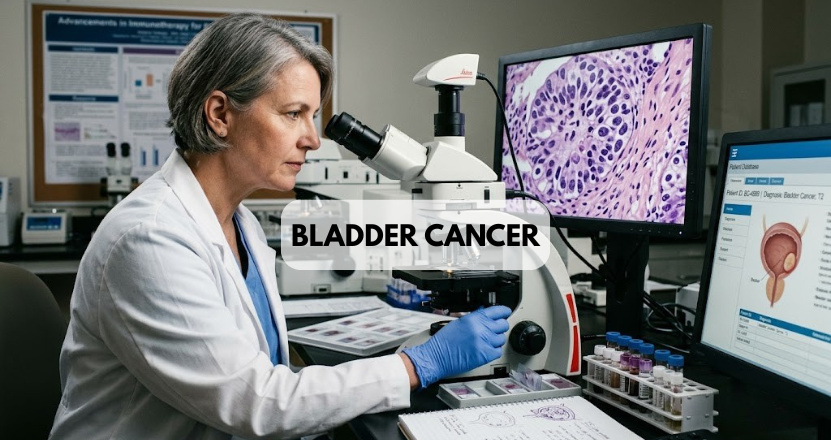
What is Bladder Cancer?
Bladder cancer occurs when abnormal cells grow uncontrollably in the lining of the bladder. It is one of the most common urological cancers and can affect both men and women, although it is more common in men.
The good news is that bladder cancer is highly treatable, especially when detected early. With modern medical advancements, patients now have access to safe, effective, and minimally invasive treatment options.
Common Symptoms of Bladder Cancer
Recognizing early signs can make a big difference in treatment success. Some common symptoms include:
- Blood in urine (most common sign)
- Frequent urination
- Pain or burning during urination
- Lower abdominal pain
- Feeling the need to urinate even when the bladder is empty
If you notice any of these symptoms, it is important to seek medical advice immediately.
Causes and Risk Factors
Bladder cancer can develop due to several factors, including:
- Smoking (major risk factor)
- Exposure to harmful chemicals
- Chronic bladder infections
- Family history of cancer
- Increasing age
Understanding these risk factors helps in early screening and prevention.
Types of Bladder Cancer
Bladder cancer can vary depending on how deep it has spread:
🔹 Non-Muscle Invasive Bladder Cancer (NMIBC)
- Confined to the inner lining of the bladder
- Easier to treat with early detection
- Often managed with minimally invasive procedures
🔹 Muscle-Invasive Bladder Cancer (MIBC)
- Spreads deeper into bladder muscles
- Requires more advanced treatment
- Needs careful monitoring and follow-up
Advanced Diagnosis Techniques
Accurate diagnosis is the first step toward effective treatment. Modern diagnostic methods include:
- Urine tests
- Ultrasound or CT scan
- Cystoscopy (camera-based bladder examination)
- Biopsy for confirmation
These techniques help in identifying the stage and type of cancer, allowing doctors to plan the best treatment approach.
Modern Treatment Options for Bladder Cancer
🔹 TURBT (Transurethral Resection of Bladder Tumor)
A minimally invasive procedure where the tumor is removed using a scope inserted through the urethra.
🔹 Intravesical Therapy
Medicines are directly delivered into the bladder to destroy cancer cells and prevent recurrence.
🔹 Radical Cystectomy
In advanced cases, partial or complete removal of the bladder may be required.
🔹 Laparoscopic & Robotic Surgery
Advanced techniques that offer:
- Smaller incisions
- Less pain
- Faster recovery
With the expertise of Dr. Amrendra Pathak, patients receive treatment that combines precision, safety, and advanced technology.
Why Early Treatment is Important
Delaying treatment can allow cancer to spread, making it more difficult to manage. Early-stage bladder cancer has a high success rate, and timely intervention can:
- Prevent cancer progression
- Reduce complications
- Improve survival rates
- Preserve bladder function
Recovery and Follow-Up Care
Bladder cancer treatment doesn’t end with surgery. Proper follow-up is essential to prevent recurrence.
What to Expect After Treatment
- Regular check-ups and cystoscopy
- Lifestyle changes (quit smoking, healthy diet)
- Monitoring for recurrence
Most patients can return to normal life with proper care and guidance.
Expert Care You Can Trust
Bladder cancer treatment requires experience, precision, and a patient-focused approach. Dr. Amrendra Pathak is known for delivering comprehensive care with a focus on:
- Early diagnosis
- Advanced minimally invasive techniques
- Personalized treatment plans
- Long-term patient support
Patients receive not just treatment, but complete guidance at every step.
Prevention Tips for Bladder Cancer
While not all cases can be prevented, certain lifestyle changes can reduce risk:
- Avoid smoking
- Stay hydrated
- Limit exposure to harmful chemicals
- Maintain a healthy lifestyle
Prevention and early detection go hand in hand in maintaining bladder health.
Conclusion
Bladder cancer is a serious but treatable condition when detected early. With modern medical advancements and expert care, patients can achieve excellent outcomes and maintain a good quality of life.
Under the care of Dr. Amrendra Pathak, patients benefit from advanced treatment options, compassionate care, and a strong focus on recovery. If you experience any symptoms, don’t delay—early consultation can save lives.