




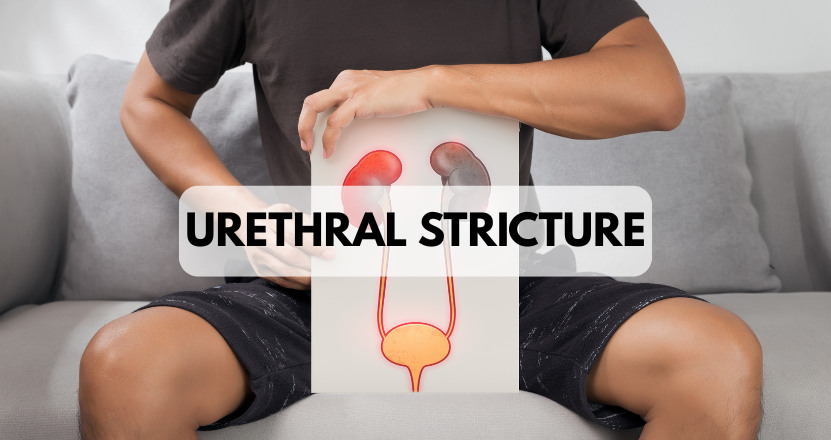
Urethral stricture occurs when scar tissue forms inside the urethra, causing it to narrow. This narrowing restricts the flow of urine from the bladder, leading to various urinary problems.
It can affect men more commonly, but it can occur in anyone. If not treated properly, it may lead to serious complications such as infections, bladder damage, or kidney problems.
Common Symptoms of Urethral Stricture
The symptoms of urethral stricture may develop gradually and worsen over time. Some of the most common signs include:
- Weak or slow urine stream
- Difficulty starting urination
- Frequent urge to urinate
- Pain or burning sensation while urinating
- Incomplete bladder emptying
- Urinary tract infections
- Blood in urine
If you experience any of these symptoms, early consultation is important to avoid complications.
Causes of Urethral Stricture
Urethral stricture is usually caused by injury or inflammation of the urethra. Some common causes include:
- Previous urinary tract infections
- Injury or trauma to the pelvic area
- Past surgeries or catheter use
- Sexually transmitted infections
- Inflammation of the urethra
Identifying the exact cause helps in planning the most effective treatment.
Who is at Risk?
Certain individuals are more prone to urethral stricture, such as:
- Men with a history of prostate surgery
- Patients with long-term catheter use
- Individuals with repeated urinary infections
- People who have suffered pelvic injuries
Understanding risk factors helps in early detection and timely treatment.
Advanced Diagnosis for Accurate Treatment
Proper diagnosis is essential to determine the severity and location of the stricture. Modern diagnostic methods include:
- Uroflowmetry (to measure urine flow)
- Ultrasound imaging
- Retrograde urethrogram (X-ray test)
- Cystoscopy (camera-based examination)
These tests help doctors create a personalized treatment plan.
Modern Treatment Options for Urethral Stricture
🔹 Urethral Dilation
A simple procedure where the narrowed urethra is gently widened using medical instruments.
🔹 Internal Urethrotomy (Endoscopic Treatment)
A minimally invasive procedure where the scar tissue is cut using a scope inserted through the urethra.
🔹 Urethroplasty (Surgical Repair)
A more advanced and long-term solution where the damaged portion of the urethra is repaired or reconstructed.
This is considered the gold standard treatment for long or recurrent strictures.
Why Choose Advanced Treatment?
Modern treatment techniques focus on long-term relief and patient comfort.
Key Benefits
- ✅ Minimally invasive procedures
- ✅ Less pain and faster recovery
- ✅ High success rates
- ✅ Reduced chances of recurrence
- ✅ Improved quality of life
With expert care from Dr. Amrendra Pathak, patients receive treatment that is both effective and reliable.
Recovery After Treatment
Recovery depends on the type of procedure performed:
- Dilation/Urethrotomy: Quick recovery, return to normal activities in a few days
- Urethroplasty: Slightly longer recovery but offers permanent results
Patients are advised to:
- Stay hydrated
- Follow medication instructions
- Attend regular follow-ups
Proper care ensures long-term success and prevents recurrence.
Why Early Treatment is Important
Ignoring urethral stricture can lead to serious complications such as:
- Repeated urinary infections
- Bladder damage
- Kidney problems
- Complete blockage of urine flow
Early diagnosis and treatment help avoid these complications and improve overall health.
Expert Care You Can Trust
Urethral stricture treatment requires precision, experience, and a patient-focused approach. Dr. Amrendra Pathak is known for providing:
- Accurate diagnosis
- Advanced minimally invasive procedures
- Personalized treatment plans
- Comprehensive post-treatment care
Patients receive complete support throughout their treatment journey.
Prevention Tips
While not all cases can be prevented, certain steps can reduce the risk:
- Treat infections promptly
- Avoid unnecessary catheter use
- Maintain proper hygiene
- Practice safe habits to prevent infections
- Seek early medical advice for urinary issues
Conclusion
Urethral stricture is a manageable condition when diagnosed and treated early. With advancements in medical technology, patients can now benefit from safe, effective, and long-lasting treatments.
Under the expert care of Dr. Amrendra Pathak, you can expect accurate diagnosis, advanced treatment, and complete support for a smooth recovery. If you are experiencing urinary difficulties, don’t delay—early treatment can restore comfort and improve your quality of life.