




Understanding Kidney (Renal) Stones
Kidney stones are hard mineral deposits that form inside the kidneys due to dehydration, diet, or metabolic issues. These stones can vary in size—from tiny grains to large stones—and may cause severe pain if not treated on time.
Common symptoms include:
- Sharp pain in the back or side
- Burning sensation while urinating
- Blood in urine
- Nausea or vomiting
- Frequent urge to urinate
Ignoring these symptoms can lead to complications like infection or kidney damage. That’s why early and advanced treatment is essential.
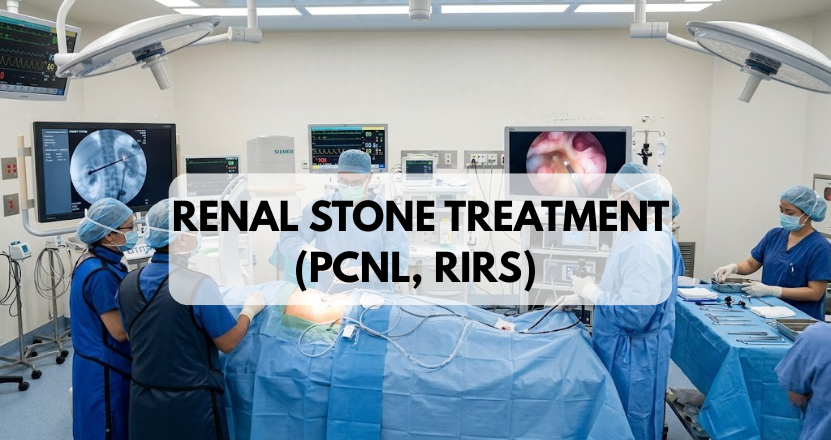
Modern Renal Stone Treatment – PCNL & RIRS
Today, medical science offers highly effective, minimally invasive procedures for kidney stone removal. The two most advanced and widely used techniques are:
🔹 PCNL (Percutaneous Nephrolithotomy)
PCNL is recommended for large or complex kidney stones.
How it Works
- A small incision is made in the back
- A thin instrument is inserted directly into the kidney
- Stones are broken and removed safely
Benefits of PCNL
- Highly effective for large stones
- Complete stone clearance in one session
- Short hospital stay
- Faster recovery compared to open surgery
🔹 RIRS (Retrograde Intrarenal Surgery)
RIRS is a no-cut, no-scar procedure used for small to medium-sized kidney stones.
How it Works
- A flexible scope is passed through the urinary tract
- The stone is located and broken using laser
- Tiny fragments are removed naturally
Benefits of RIRS
- No incision required
- Minimal pain and bleeding
- Quick recovery
- Ideal for patients who prefer non-invasive treatment
Which Treatment is Right for You?
The choice between PCNL and RIRS depends on:
- Size and location of the stone
- Patient’s health condition
- Previous medical history
An experienced specialist like Dr. Amrendra Pathak carefully evaluates each case and recommends the most suitable treatment for the best results.
Why Choose Minimally Invasive Kidney Stone Treatment?
Modern techniques like PCNL and RIRS have replaced traditional open surgery because they offer:
- ✅ Less pain and discomfort
- ✅ No large cuts or stitches
- ✅ Shorter hospital stay
- ✅ Faster return to daily life
- ✅ Lower risk of complications
These benefits make them the preferred choice for patients seeking safe and effective solutions.
Advanced Care with Expertise
Successful kidney stone treatment requires not just technology, but also experience. Dr. Amrendra Pathak is known for delivering excellent outcomes in complex stone cases using advanced endourology techniques.
Patients benefit from:
- Accurate diagnosis with modern imaging
- Personalized treatment plans
- Use of advanced laser technology
- Focus on patient comfort and safety
His approach ensures that every patient receives world-class care with a human touch.
Recovery After PCNL & RIRS
Recovery from these procedures is usually quick and smooth:
After PCNL
- Hospital stay: 1–3 days
- Mild discomfort for a few days
- Return to normal routine within 1–2 weeks
After RIRS
- Same-day or next-day discharge
- Minimal pain
- Resume normal activities within a few days
Proper hydration and follow-up care are essential to prevent stone recurrence.
Preventing Kidney Stones
Prevention plays a key role in long-term kidney health. Patients are advised to:
- Drink plenty of water daily
- Reduce salt and processed food intake
- Maintain a balanced diet
- Follow medical advice for underlying conditions
Regular check-ups can help detect stones early and avoid complications.
Why Early Treatment Matters
Delaying treatment can lead to:
- Severe pain episodes
- Urinary infections
- Kidney damage
- Emergency situations
Timely intervention with advanced procedures like PCNL and RIRS ensures safe and complete removal of stones, protecting kidney function.
Conclusion
Renal stone treatment has evolved significantly with the introduction of PCNL and RIRS. These minimally invasive techniques provide effective, safe, and patient-friendly solutions for kidney stone removal.
With expert care from Dr. Amrendra Pathak, patients can expect advanced treatment, faster recovery, and long-term relief from kidney stones. If you are experiencing symptoms, don’t wait—early diagnosis and treatment can make all the difference.